
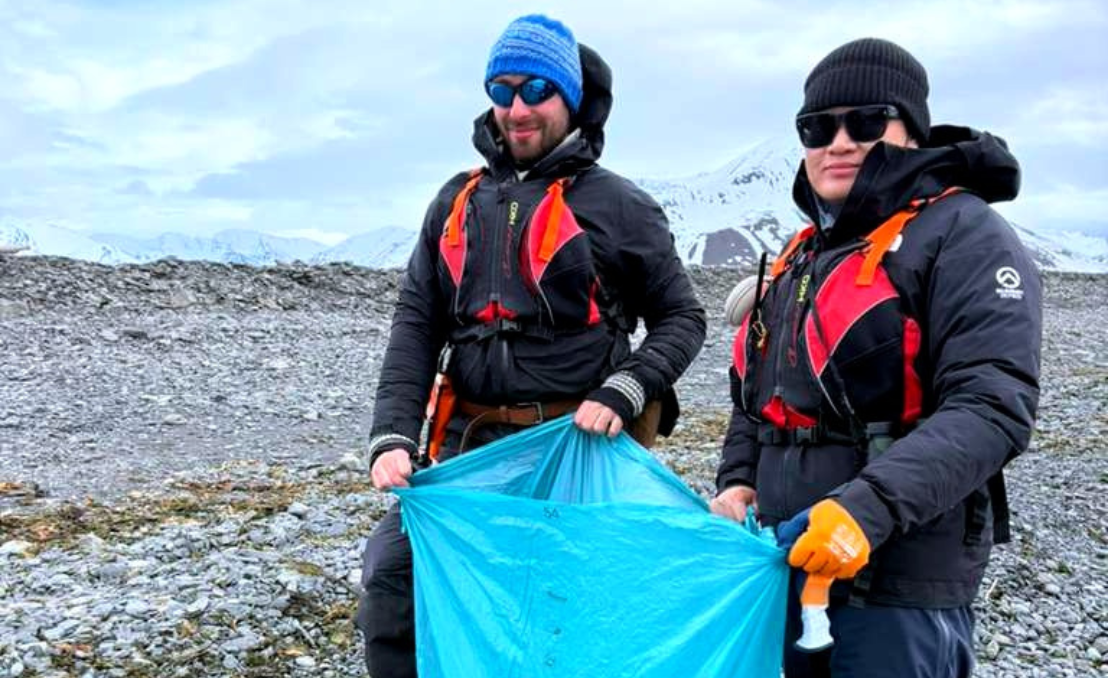
Protecting the Arctic
Learn more about the coastal clean-up actions carried out by Mystic Cruises in Svalbard and how crew and guests help protect the Arctic.
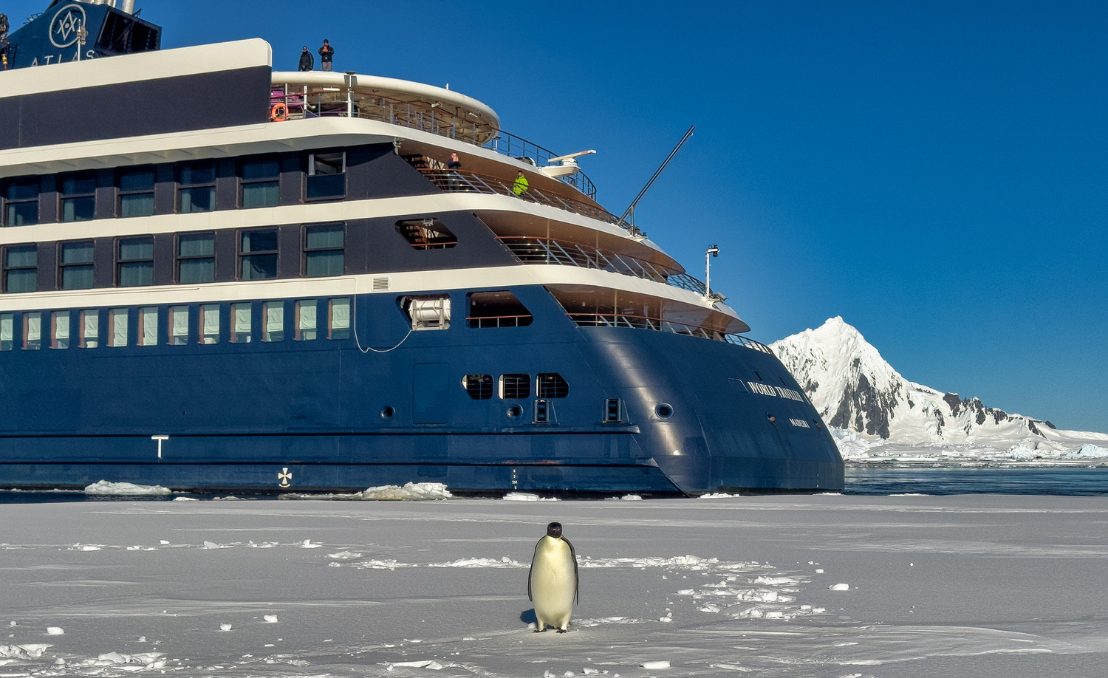
Nature conservation in expedition cruising begins with a simple principle: exploring extraordinary places also means accepting responsibility for helping to protect them.
World Nature Conservation Day, observed on 28 July, invites us to look beyond the beauty of the natural world and consider the responsibility that comes with experiencing it.
For Mystic Cruises, nature is never simply the backdrop to a voyage. It shapes the routes we follow, the encounters that remain with us and the decisions that guide our operations.
From polar landscapes and remote coastlines to the wildlife that inhabits them, every destination reminds us that exploration is a privilege. And that privilege must always be accompanied by respect.
There are moments in nature that can change the way we see the world.
A whale briefly appearing at the surface. A seabird colony filling a cliffside with sound and movement. The silence of a glacier. The first sight of a coastline that appears untouched by human presence.
Expedition travel brings people closer to these moments. But the purpose of that proximity should never be simply to collect images or destinations. It should be to create connection.
Awareness often begins with wonder. When we encounter a landscape, observe an animal in its natural habitat or witness the scale of a remote ecosystem, nature becomes more than an abstract idea. It becomes something immediate, complex and real.
The ocean itself is not merely the route that allows us to travel. It is a living system that connects climates, species, communities and continents, and one that demands our respect.
Seeing the natural world, however, is only the beginning.
Conservation depends not only on what we see, but also on how well we understand it.
This is why interpretation and education are fundamental parts of an expedition voyage. Through briefings, lectures, conversations and guidance during activities ashore, expedition teams help guests recognise the significance of what they are observing.
A stretch of apparently empty ground may contain fragile vegetation. A quiet shoreline may be an important resting or breeding area. A change in route may be necessary to avoid disturbing wildlife. Cleaning boots and equipment before a landing can help prevent seeds, microorganisms or other biological material from being transferred between sensitive environments.
Knowledge gives context to beauty. It explains why distance matters, why silence can sometimes be the most respectful response and why nature must always be allowed to set the terms of an encounter.
Responsible wildlife observation depends on protocols, training and the ability to adapt our presence to the behaviour of animals, rather than expecting wildlife to adapt to us.
When guests understand the reasons behind these practices, environmental guidance becomes more than a set of rules. It becomes part of a deeper and more conscious relationship with the destination.
Nature conservation is not defined by a single initiative. It is the result of many decisions made before, during and after each voyage.
Some are visible to guests: maintaining appropriate distances from wildlife, remaining within designated areas, following biosecurity procedures, avoiding disturbance and leaving natural elements exactly where they were found.
Others take place behind the scenes. Route planning, energy efficiency, waste and water management, quieter navigation, team training and coordination with local authorities and specialist organisations all form part of a broader environmental responsibility.
Technology, environmental management and international partnerships can all contribute to protecting the ecosystems that make every journey possible. Greater operational efficiency, waste reduction and alignment with organisations dedicated to responsible maritime tourism are part of that continuous effort.
At the same time, responsible exploration requires honesty. No journey is entirely without impact. The responsibility of an expedition cruise company is therefore not to claim that its presence is invisible, but to recognise its impact, work continuously to reduce it and ensure that access is never placed above preservation.
Conditions can change quickly in sensitive destinations. Wildlife may appear unexpectedly. Weather may change. A landing site may require additional protection. Responsible operations must remain flexible, allowing plans to adapt to the needs of the environment. Sometimes, conservation is expressed through action. At other times, it is expressed through restraint.
Guests also have an important role in protecting the destinations they visit. That role begins with simple but essential choices: listening to the guidance of expedition teams, maintaining a respectful distance from wildlife, avoiding unnecessary noise, leaving no trace and understanding that nothing should be removed from a natural environment.
In certain circumstances, guests may also have the opportunity to take part in direct environmental action. During recent coastal clean-up activities in Svalbard, Mystic Cruises crew members, expedition teams and guests worked together to remove marine litter from remote Arctic shores. These initiatives do not solve the global problem of ocean pollution, but they make a practical contribution in places that are difficult to reach and help transform awareness into participation.
Protecting the Arctic also depends on the cooperation required to collect, transport and correctly manage the waste removed from isolated coastlines. These moments reinforce an important idea: travellers do not have to remain passive observers.
Every person can contribute by respecting the places they visit, supporting the work of specialist teams and carrying the knowledge gained during the journey into their everyday lives.
The value of an expedition should not be measured only by the places visited or the photographs brought home. A meaningful journey can change the way we think about wildlife, natural resources and our own relationship with the planet. It can encourage us to consume more carefully, reduce waste, learn more about environmental challenges and support those working to protect vulnerable ecosystems.
Conservation does not end when guests return to the ship after a landing. Nor does it end when the voyage is over. It continues through the choices people make, the knowledge they share and the respect they carry with them.
At Mystic Cruises, We Are Protecting Our Environment is not a message reserved for one date in the calendar. It is a value that must guide our operations, our partnerships, the behaviour we encourage and the way we continue to learn and improve.
Nature is not simply where the journey takes place. It is what makes the journey possible. And protecting it is a responsibility we all share.
What is World Nature Conservation Day?
World Nature Conservation Day is observed on 28 July and encourages reflection and action around the protection of ecosystems, wildlife and natural resources for future generations.
How does Mystic Cruises contribute to nature conservation?
Mystic Cruises integrates environmental responsibility into its operations through more efficient technology, waste and water management, quieter navigation, wildlife protection protocols, international partnerships, environmental education and initiatives such as coastal clean-ups.
How can expedition cruise guests help protect nature?
Guests can contribute by following the guidance of expedition teams, respecting wildlife observation distances, complying with biosecurity procedures, avoiding unnecessary disturbance, leaving no trace and participating in environmental activities when these are available.
Learn more about the coastal clean-up actions carried out by Mystic Cruises in Svalbard and how crew and guests help protect the Arctic.
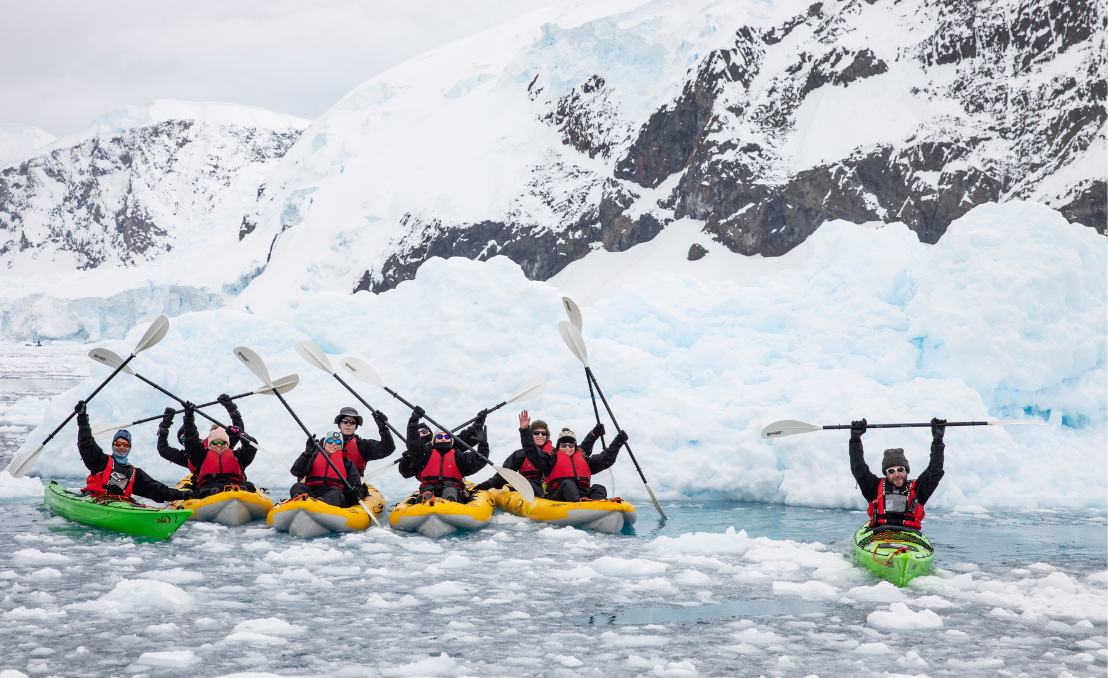
Discover how Zodiacs, kayaks and technical equipment help turn an expedition ship into a true base for exploration.
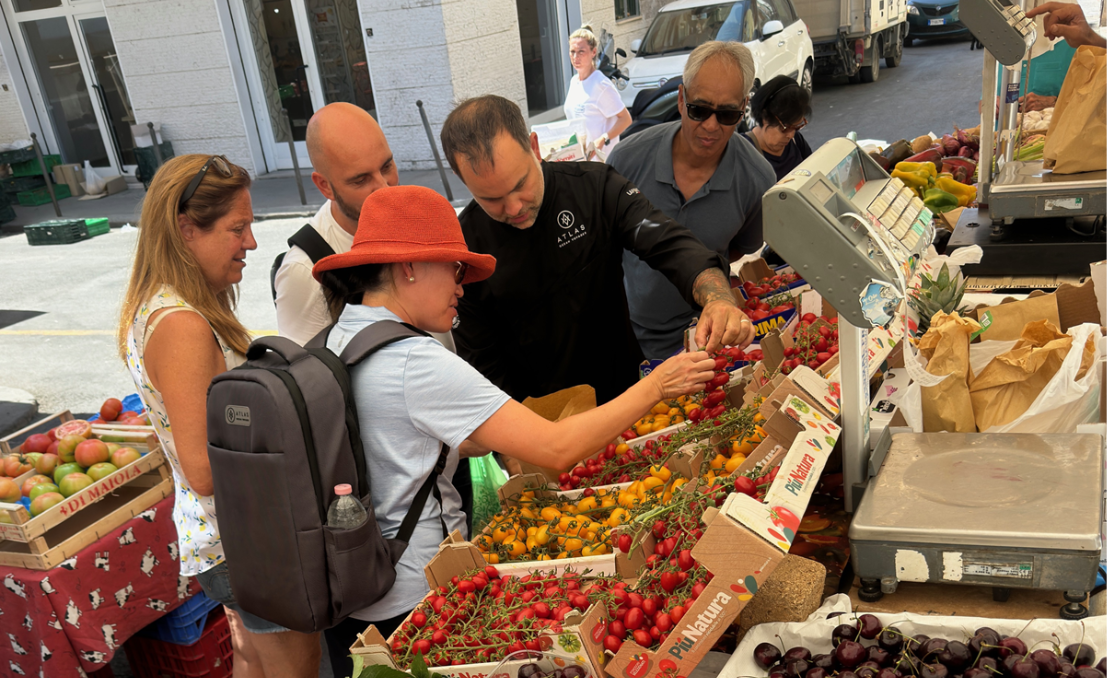
Discover how sustainable gastronomy on board Mystic Cruises turns every meal into an experience of flavour, discovery and responsibility.