
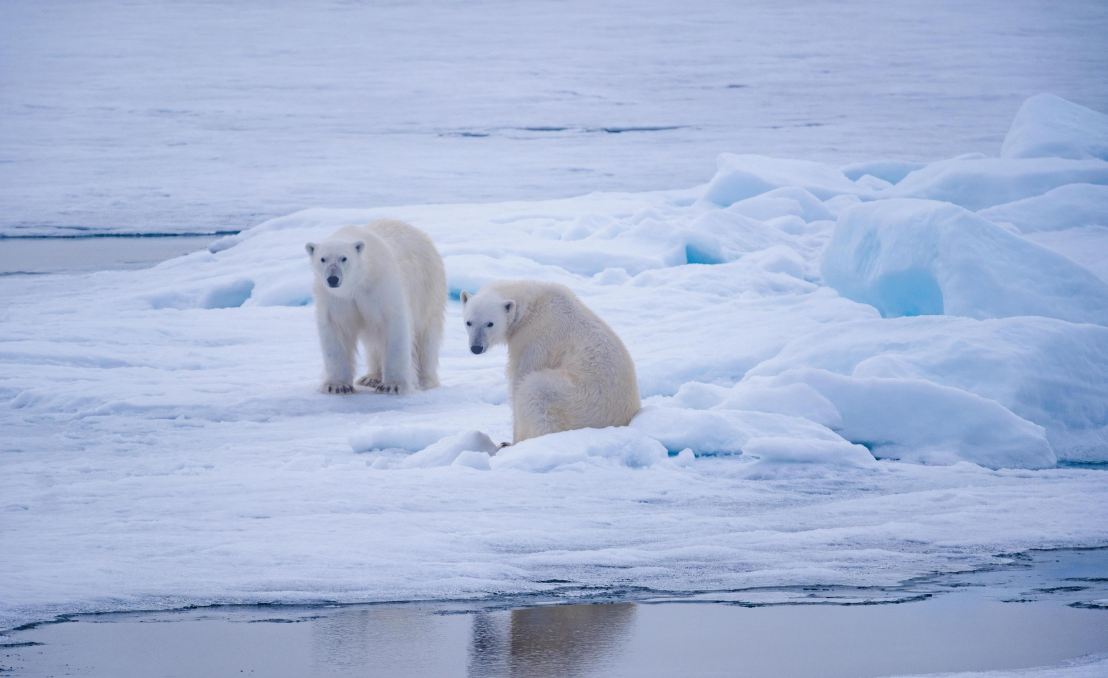
How arctic wildlife responds to us
From polar bears and walruses to seabirds, Arctic foxes and whales, learn how wildlife responds to our presence — often before we realise it.
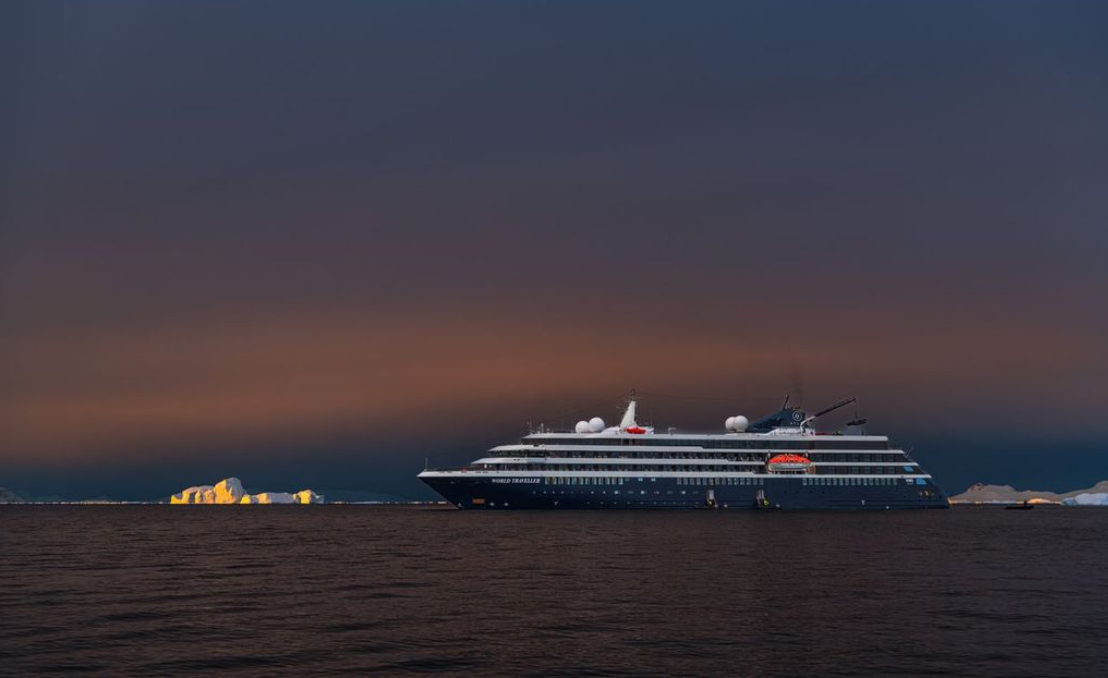
World Maritime Day 2026 is an opportunity to recognise an industry that operates largely beyond public view, yet plays a fundamental role in the way our world functions.
Ships connect continents. Ports connect economies. Seafarers, engineers, officers, technicians and countless professionals ashore make those connections possible every day.
Maritime transport carries more than 80% of global trade by volume, illustrating the scale and importance of shipping to the world economy. But the maritime industry is about much more than moving goods. It encompasses passenger and expedition shipping, ports, shipbuilding, technology, logistics, safety, environmental protection, training and the thousands of people whose expertise keeps ships operating around the world.
For Mystic Cruises, being part of this industry means recognising both the privilege and the responsibility of operating at sea.
World Maritime Day is observed each year on the final Thursday of September. In 2026, it falls on 24 September. Led by the International Maritime Organization (IMO), the day highlights the importance of shipping and the maritime sector, as well as the role of international cooperation in making maritime operations safer, more secure, more efficient and more environmentally sustainable.
The theme selected by the IMO for 2026 and 2027 is: “From Policy to Practice: Powering Maritime Excellence.” For the first time, the World Maritime Day theme is being used over a two-year period. Its focus is on turning the international regulatory framework into concrete action through implementation, enforcement, technical assistance, training and knowledge sharing.
Over several decades, the IMO has developed an extensive international framework covering areas such as maritime safety, environmental protection, security, training and ship operations. But regulation alone does not make a ship safer or an operation more sustainable. People do.
The maritime industry is highly regulated for good reason. Ships operate across borders, jurisdictions and some of the planet’s most demanding environments. Common standards allow vessels, ports and maritime professionals around the world to work within a shared framework designed to protect people, ships and the marine environment.
The challenge, and the message behind this year’s World Maritime Day, is turning those standards into everyday behaviour. The IMO describes this transition from policy to practice as ensuring that international rules are translated into national legislation, enforcement and day-to-day operations across the maritime sector.
At sea, this can be seen in countless decisions. A safety procedure correctly followed. A maintenance operation completed before a problem develops. A crew member applying their training during an emergency drill. A bridge team adapting navigation to changing conditions. An engineer monitoring the efficiency of machinery. An environmental procedure being followed correctly. A team deciding to stop or alter an activity because conditions no longer allow it to be carried out responsibly. Maritime excellence is built through these decisions long before it becomes visible as a result.
Technology has transformed shipping, but maritime operations remain fundamentally dependent on people. Captains, deck officers, engineers, hotel teams, expedition professionals, safety specialists and shore-based teams each contribute different expertise to the operation of a ship.
Training is therefore one of the strongest links between policy and practice. International maritime requirements establish standards for competence and safety, but their effectiveness ultimately depends on professionals understanding them, applying them and continuing to develop their knowledge throughout their careers.
At Mystic Cruises, this culture of learning is particularly important. Our ships operate across a wide range of destinations and conditions, including remote and polar regions where preparation, judgement and teamwork are essential.
Procedures, drills, technical training and operational experience help ensure that teams are prepared not only for routine navigation, but also for situations where conditions can change rapidly. The objective is not simply compliance. It is readiness.
One of the most significant transformations taking place across the maritime sector is the transition towards more efficient and environmentally responsible operations. The ocean is the industry’s workplace, but it is also one of the planet’s most important ecosystems.
For the IMO, maritime excellence encompasses safe, secure, efficient and environmentally sustainable shipping, with continuous improvement at the heart of that objective. The 2026–2027 theme also supports wider UN Sustainable Development Goals, including climate action, life below water, infrastructure and partnerships.
At Mystic Cruises, this responsibility influences both the design of our ships and the way they operate. Our expedition fleet incorporates technologies including hybrid propulsion systems, solutions designed to improve energy efficiency and hydro-jet technology that can help reduce underwater noise. Waste, water and energy management are also monitored as part of our wider environmental approach. These measures are complemented by operational practices and partnerships designed to protect sensitive environments.
Our article on World Oceans Day explores our relationship with the marine environment in greater detail, while World Biodiversity Day looks at how technology, partnerships and responsible operations contribute to protecting the ecosystems we visit.
Expedition cruising adds another dimension to maritime responsibility. Our ships are designed to travel beyond conventional routes, reaching remote coastlines, polar waters and destinations where environmental conditions can be particularly sensitive. This requires maritime expertise to work alongside expedition knowledge.
Navigation, safety, environmental procedures, wildlife guidelines and decisions about whether conditions allow an activity to proceed must all work together. In these environments, good seamanship is not simply about reaching a destination. Sometimes it means changing course. Sometimes it means slowing down. Sometimes it means deciding not to land. And sometimes it means taking the opportunity to make a direct contribution.
During our 2026 Arctic season, for example, Mystic Cruises teams and guests participated in coastal clean-ups in Svalbard. Five documented actions involving World Voyager between 20 and 28 July resulted in 53.5 kg of marine litter being removed from more than one kilometre of coastline.
The initiative is explored further in 53.5 kg Removed from Svalbard Shores. It is a small example within a global industry, but it illustrates what moving from intention to action can look like.
World Maritime Day provides an opportunity to recognise the scale and importance of the maritime industry. But its 2026 theme also invites the sector to look beyond statements of intent.
Standards matter. Commitments matter. Policies matter.
Their real value, however, is measured at sea: in the decisions made on the bridge, in the engine room, on deck and ashore; in the professionalism of maritime teams; in the way ships interact with the environment; and in the ability of organisations to keep improving.
For Mystic Cruises, maritime excellence is therefore not a destination. It is a daily practice. One voyage, one decision and one team at a time.
What is World Maritime Day?
World Maritime Day is an annual observance led by the International Maritime Organization to highlight the importance of shipping and the maritime sector, as well as priorities relating to safety, security, environmental protection and international maritime cooperation.
When is World Maritime Day 2026?
World Maritime Day 2026 is observed on 24 September, the final Thursday of the month.
What is the World Maritime Day theme for 2026?
The IMO theme for 2026 and 2027 is “From Policy to Practice: Powering Maritime Excellence.” It focuses on translating international maritime rules and policies into effective action at sea, in ports and across the wider maritime sector.
Why is the maritime industry important?
Maritime transport carries more than 80% of world trade by volume and connects countries, supply chains and economies around the world. The wider maritime sector also includes passenger shipping, ports, shipbuilding, technology, logistics and a global community of maritime professionals.
What does maritime excellence mean for Mystic Cruises?
For Mystic Cruises, it means combining safe and efficient operations with trained teams, continuous improvement, technological innovation and responsible environmental practices, particularly when operating in remote and sensitive destinations.
From polar bears and walruses to seabirds, Arctic foxes and whales, learn how wildlife responds to our presence — often before we realise it.
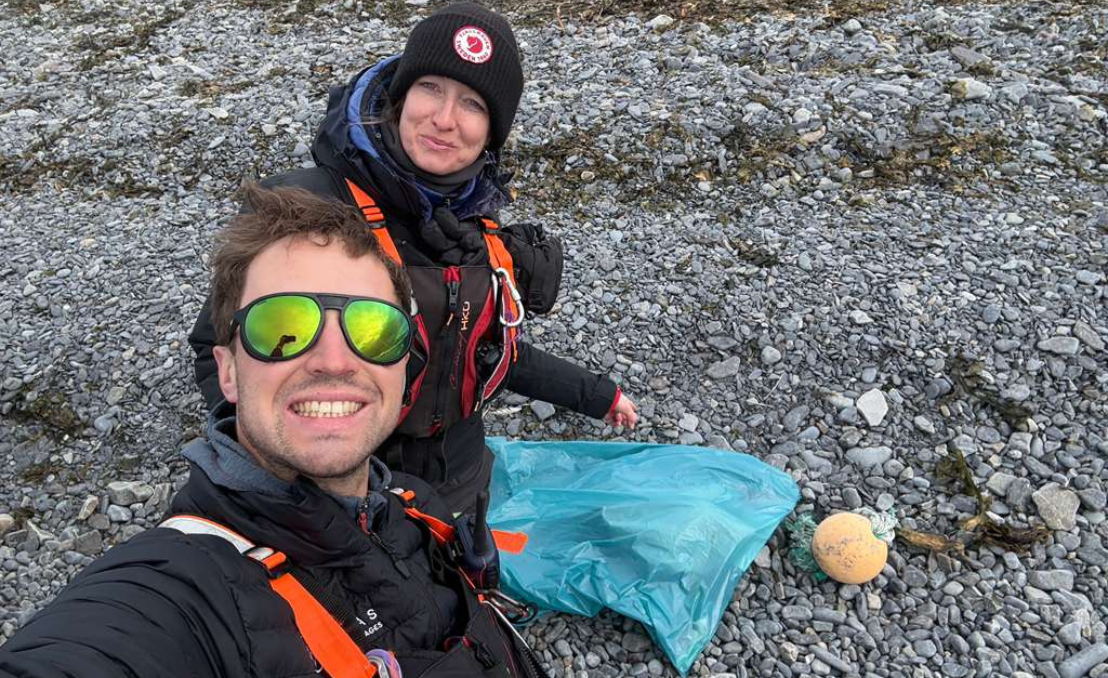
Five coastal clean-ups carried out during World Voyager’s Arctic operations removed 53.5 kg of waste from more than one kilometre of Svalbard coastline.
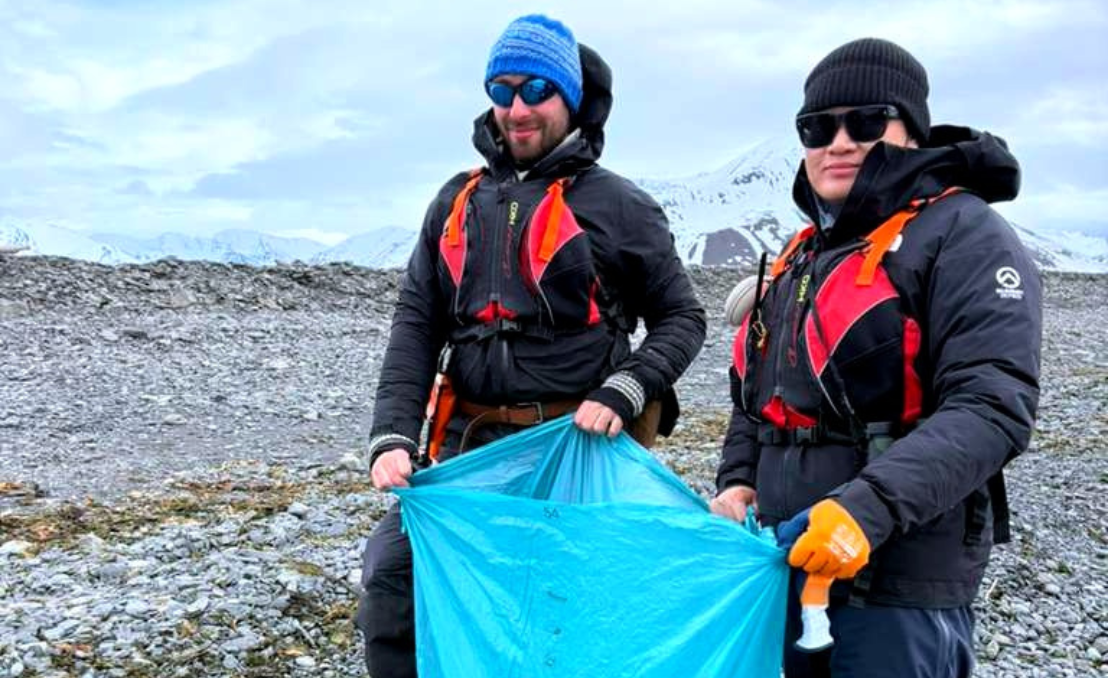
Learn more about the coastal clean-up actions carried out by Mystic Cruises in Svalbard and how crew and guests help protect the Arctic.