
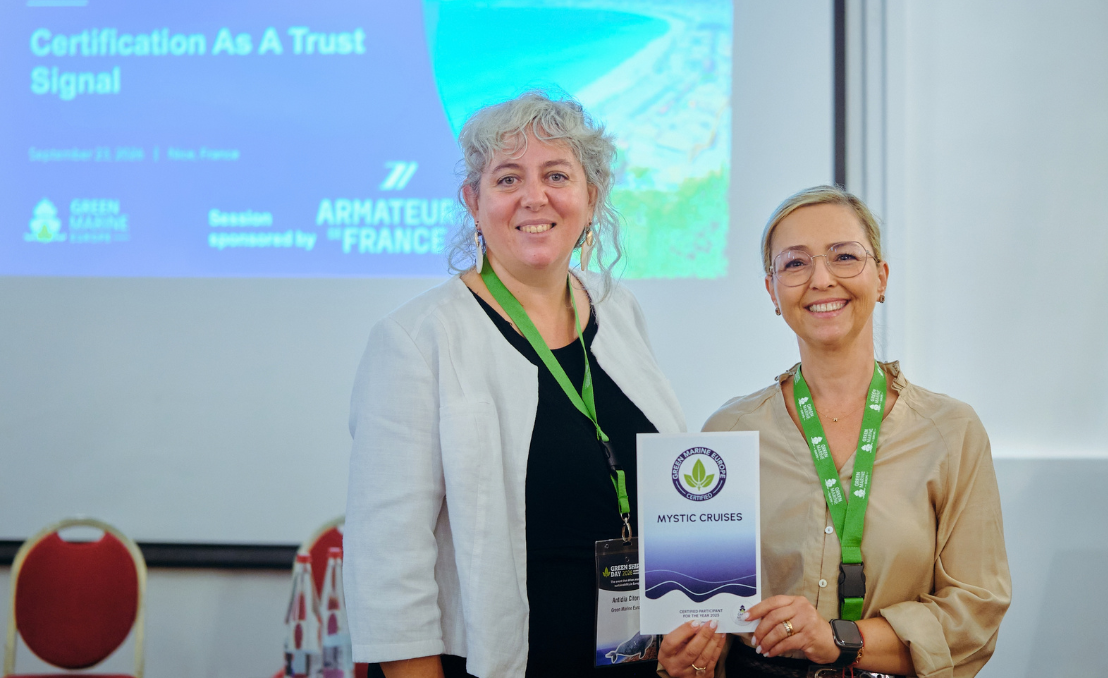
Mystic Cruises Renews Its Green Marine Europe Certification
Mystic Cruises has received its latest Green Marine Europe certificate, continuing its participation in the maritime environmental assessment and continual improvement programme.
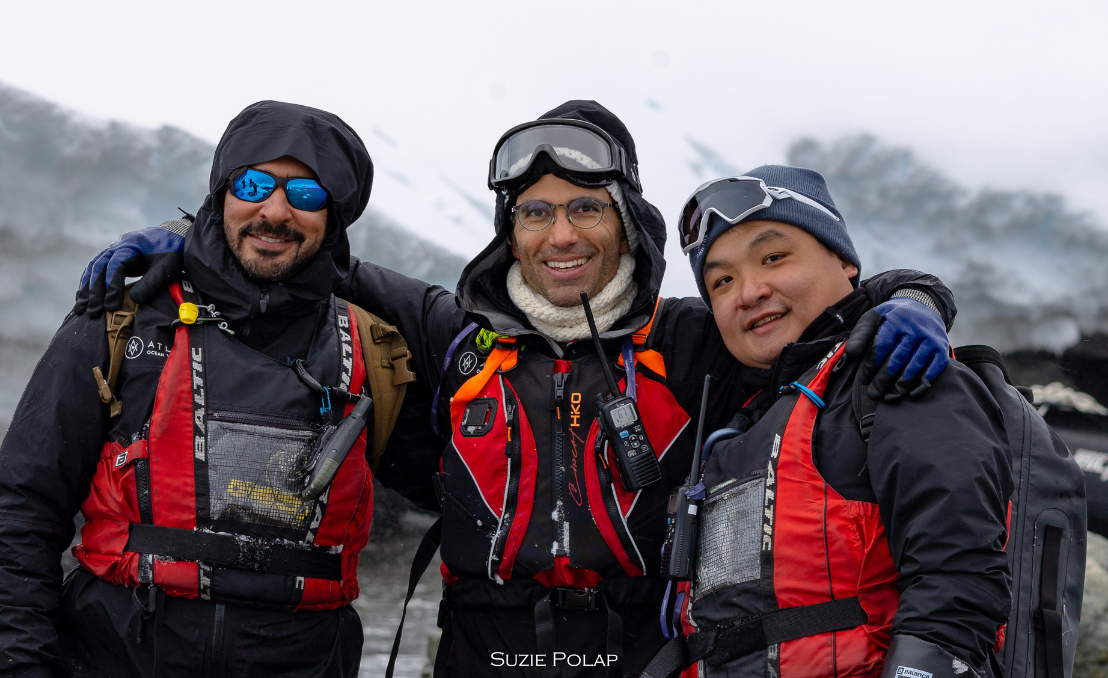
A practical, weather-tested guide for first-time and returning travellers.
The Arctic does not reward overpackers. It rewards those who understand layering.
Whether you are heading for the fjords of Svalbard, the silence of East Greenland or the long coastline of the Northwest Passage, what you wear will matter far more than how much you bring. The trick is not to dress for the col, it is to dress in a way that stops the cold from ever truly reaching you.
Here is what to pack, what we provide and what to leave at home.
Most travellers arrive prepared to buy more than they actually need. Before you order anything, here is what will be waiting for you on the ship:
You will provide your parka and boot sizes at the time of booking.
So, there is no need to buy a heavy outer parka or tall waterproof boots, and no need to invest in walking sticks or binoculars unless you have a personal preference. Build the rest of your wardrobe around what we provide.
Layering works in the Arctic because conditions change quickly. The wind picks up, the sun comes through, you stop walking, you start again, and you will regret dressing for a single moment instead of for all of them.
Three layers, in this order:
Each layer can be added or removed as the day changes. This is the principle behind every recommendation that follows.
Base layers (2–3 sets): choose merino wool or a technical synthetic. Avoid cotton – it holds moisture and stays cold against the skin.
Mid layers (2): bring a fleece and a lightweight insulated jacket, whether synthetic or down. Wear them together when temperatures drop; wear one on its own on milder days.
Outer layer: already covered – your expedition parka.
A simple rule: bring enough to rotate while one layer is drying.
Thermal leggings (2 pairs): follow the same merino-or-synthetic principle. Cotton long johns are not your friend at sea.
Trekking trousers (2 pairs): quick-drying and lightweight. Avoid jeans for landings.
Waterproof outer trousers (essential): this is the item most first-time travellers forget. Zodiac landings can mean salt spray, wet sand or sitting on damp rock. Waterproof shell trousers transform the experience. Choose a pair that fits comfortably over your base layers without bunching.
Gloves: think in terms of a system, not a single pair.
Hat: bring a warm beanie that covers the ears. Two are better than one.
Buff or neck gaiter: light, easy to pack and invaluable on a windy Zodiac ride.
Sunglasses: the Arctic sun on snow and water is dazzling. Polarised lenses are best.
Sunscreen and lip balm with SPF: it may sound counterintuitive, but both are essential. UV reflects intensely off ice and water, and the air is dry. We recommend an oxybenzone-free sunscreen — kinder to coral, marine life and the waters we sail through.
Our yachts are climate-controlled and the atmosphere is relaxed. Comfortable, casual clothing is perfect for daytime, and smart-casual is more than enough for evening dining. There is no need for formalwear; the only true must-have is something you will feel at ease in after a long day on deck.
Bring a 20–30L water-resistant daypack for landings. You will want it for:
The Arctic is one of the most photogenic places on Earth, and one of the harshest on equipment.
The travellers who pack well are not the ones who bring the most. They are the ones who understand that the Arctic asks only for adaptability, and that adaptability lives in three thin layers, two good pairs of gloves and the willingness to step outside whatever the weather, because something extraordinary is almost certainly happening.
Mystic Cruises has received its latest Green Marine Europe certificate, continuing its participation in the maritime environmental assessment and continual improvement programme.
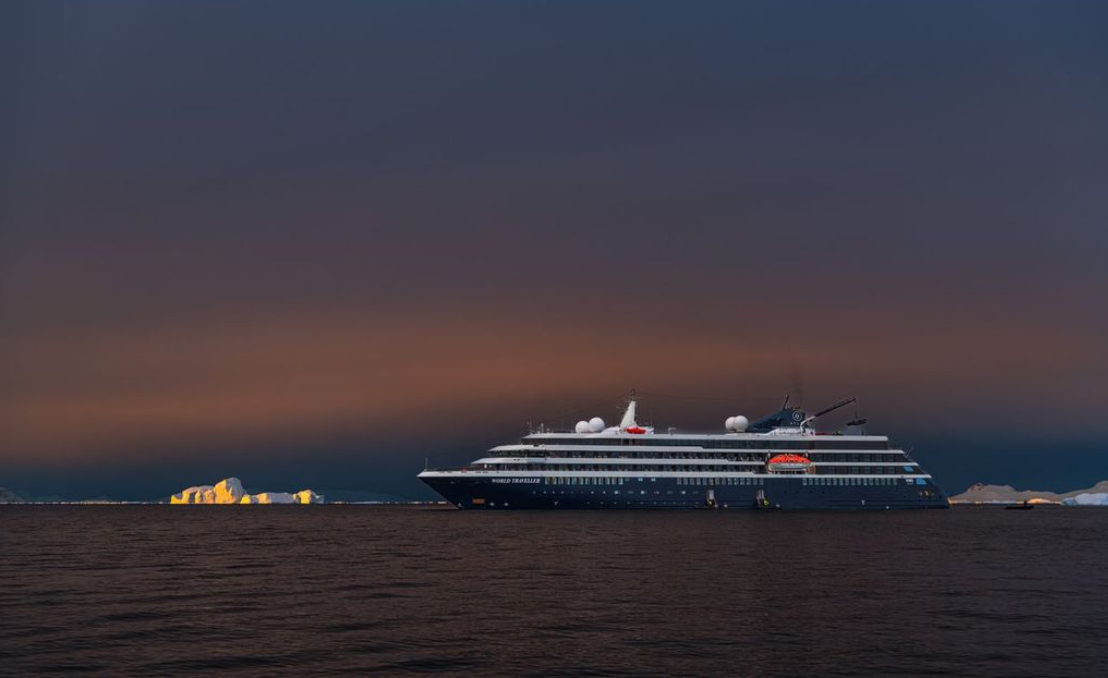
Under the theme “From Policy to Practice: Powering Maritime Excellence”, World Maritime Day 2026 highlights how regulation, training and everyday decisions shape safer and more responsible maritime operations.
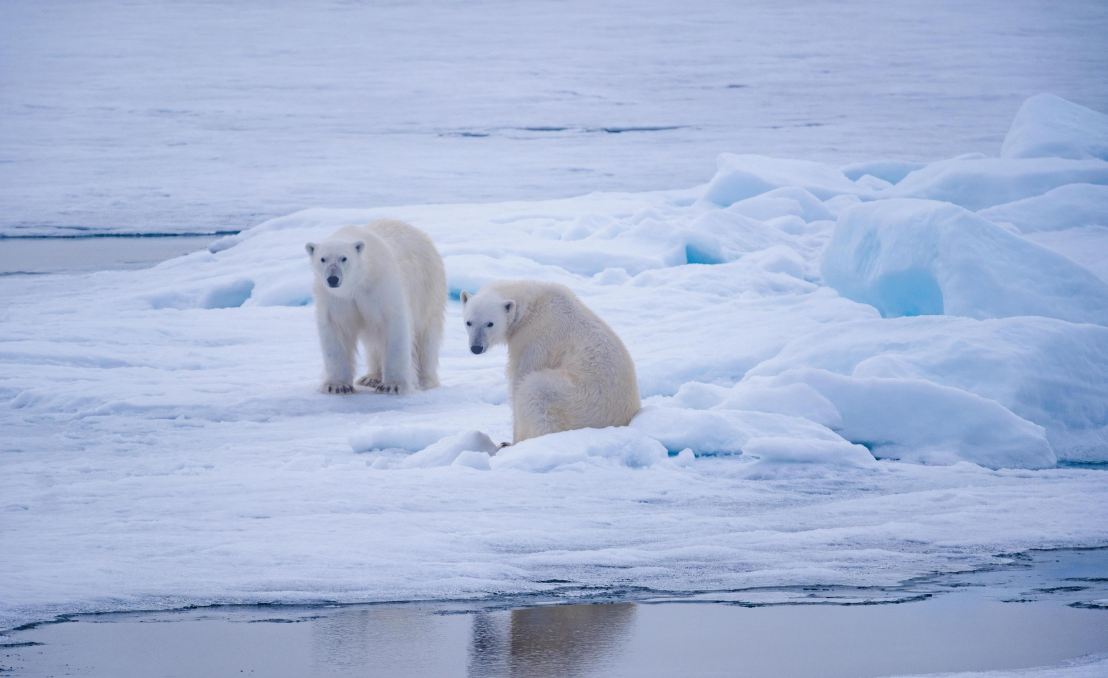
From polar bears and walruses to seabirds, Arctic foxes and whales, learn how wildlife responds to our presence — often before we realise it.