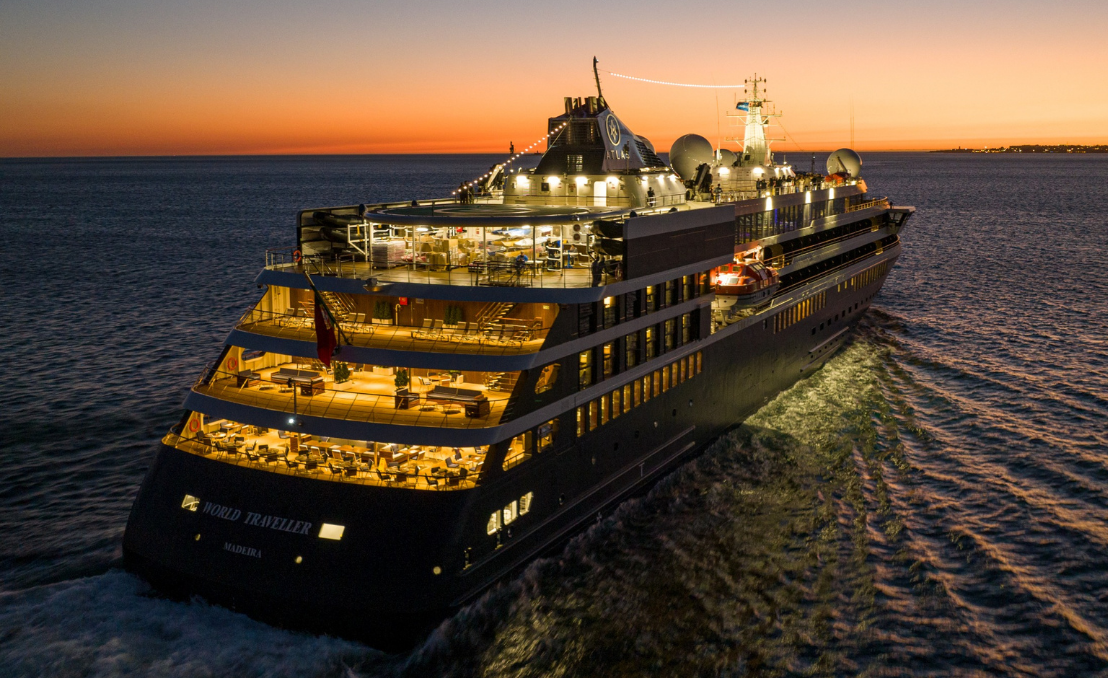
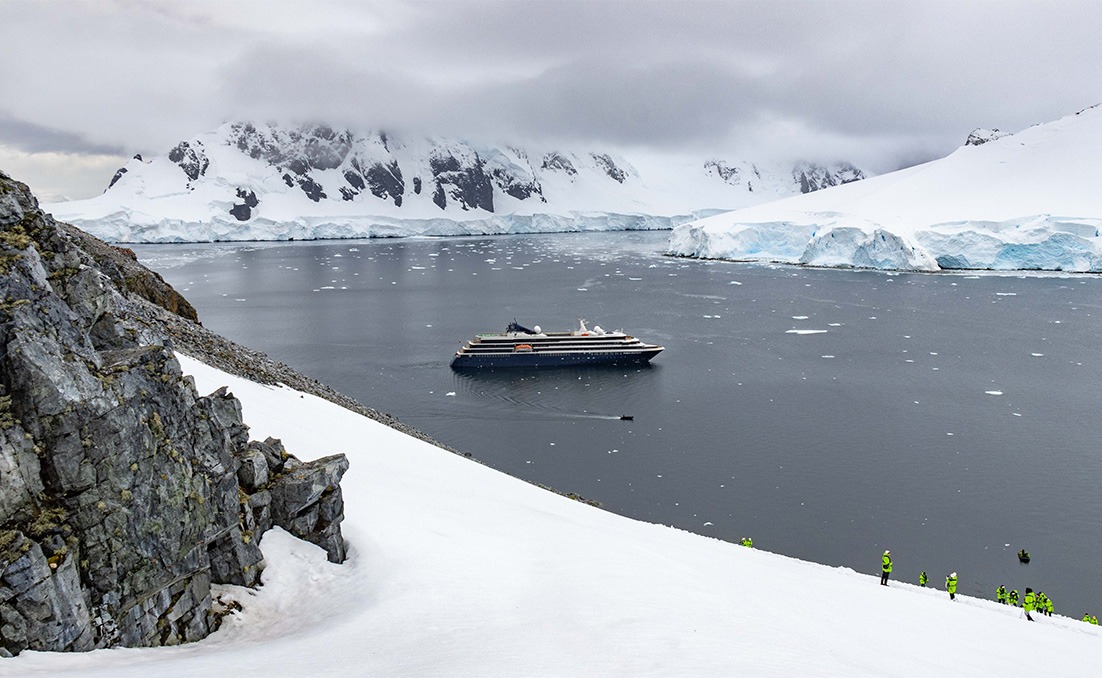
Mystic Cruises energy efficiency is much more than “saving energy”: in expedition cruising, energy means autonomy, safety, consistent comfort and lower environmental impact, especially when operations take place in demanding geographies and remote destinations. That’s why efficiency is managed end to end: from ship design and engineering to navigation and how the ship operates in port.
Measure to improve: efficiency as management, not intention
A reliable operation requires method. The approach is to track performance through KPIs, including energy efficiency and emissions reduction, in order to:
- identify optimisation opportunities;
- adjust procedures;
- keep the balance between performance, comfort and responsibility.
At the heart of operations: hybrid propulsion and energy management
Efficiency starts where consumption is highest: how the ship moves and how energy is distributed onboard. Mystic Cruises ships integrate hybrid propulsion systems, designed to support more efficient operations with lower impact.
In parallel, optimised management of onboard power plants helps rationalise consumption and improve operational control, particularly relevant in expedition contexts, where conditions and needs can change quickly.
Dynamic positioning: precision with less intervention
In certain contexts, dynamic positioning allows the ship to remain stable without dropping anchor. Beyond operational precision, this technology helps reduce physical disturbance of the seabed in sensitive areas.
It’s a form of “quiet” efficiency: not always visible to guests, but highly relevant to how the operation is carried out.
The “hotel onboard”: comfort with smarter consumption
In a premium product, comfort is non-negotiable, but it can be managed more efficiently. Key optimisation layers include:
- HVAC with control and adjustment to reduce consumption while maintaining wellbeing;
- LED lighting, with lower consumption and higher efficiency;
- energy management systems that align comfort needs with a more rational use of resources.
Engineering and design: efficiency built into the ship
Some gains don’t depend on day-to-day decisions because they’re built into the ship’s performance. Hull design solutions and specialised coating techniques aimed at reducing resistance can support more optimised consumption, voyage after voyage — as long as they are backed by rigorous maintenance.
In port: shore power and energy reuse
Efficiency doesn’t stop when the ship docks. Where suitable infrastructure exists, shore power (connecting to the port’s electrical grid) helps reduce emissions associated with dockside operations. Another important measure is reusing residual heat generated by the engines, reducing waste and improving the use of available energy.
Conclusion
At Mystic Cruises, energy efficiency is an operational choice: measured through KPIs, improved through discipline, and delivered through technology and procedures, from hybrid propulsion and energy management to dynamic positioning, smarter onboard consumption and port-side solutions. The goal is clear: reduce consumption and emissions without compromising safety or comfort.