An expedition cruise is a way of travelling designed to go beyond the obvious: exploring remote destinations, observing nature with respect, and experiencing a place more closely and more knowledgeably. Instead of a trip centred on scale and entertainment, expedition cruising prioritises immersion, flexibility and learning, with operations designed for demanding and sensitive environments.
In practice, the destination sets the pace. Routes and landings can be adjusted according to conditions – weather, sea state, ice, or local requirements – to maximise the experience without compromising safety or environmental responsibility.
The main difference: the destination at the centre of the experience
On a traditional cruise, the ship is often a central part of the experience, with large infrastructure, constant programming, and calls at ports built to handle high passenger volumes.
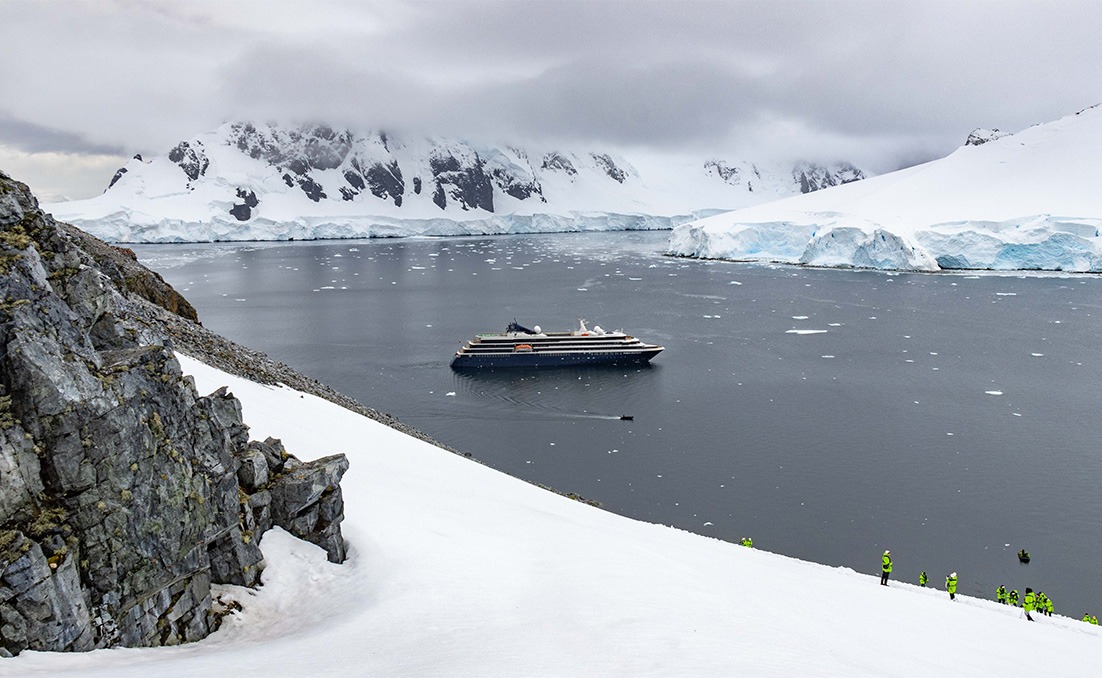
On an expedition cruise, the ship is your base for exploration. The focus is on:
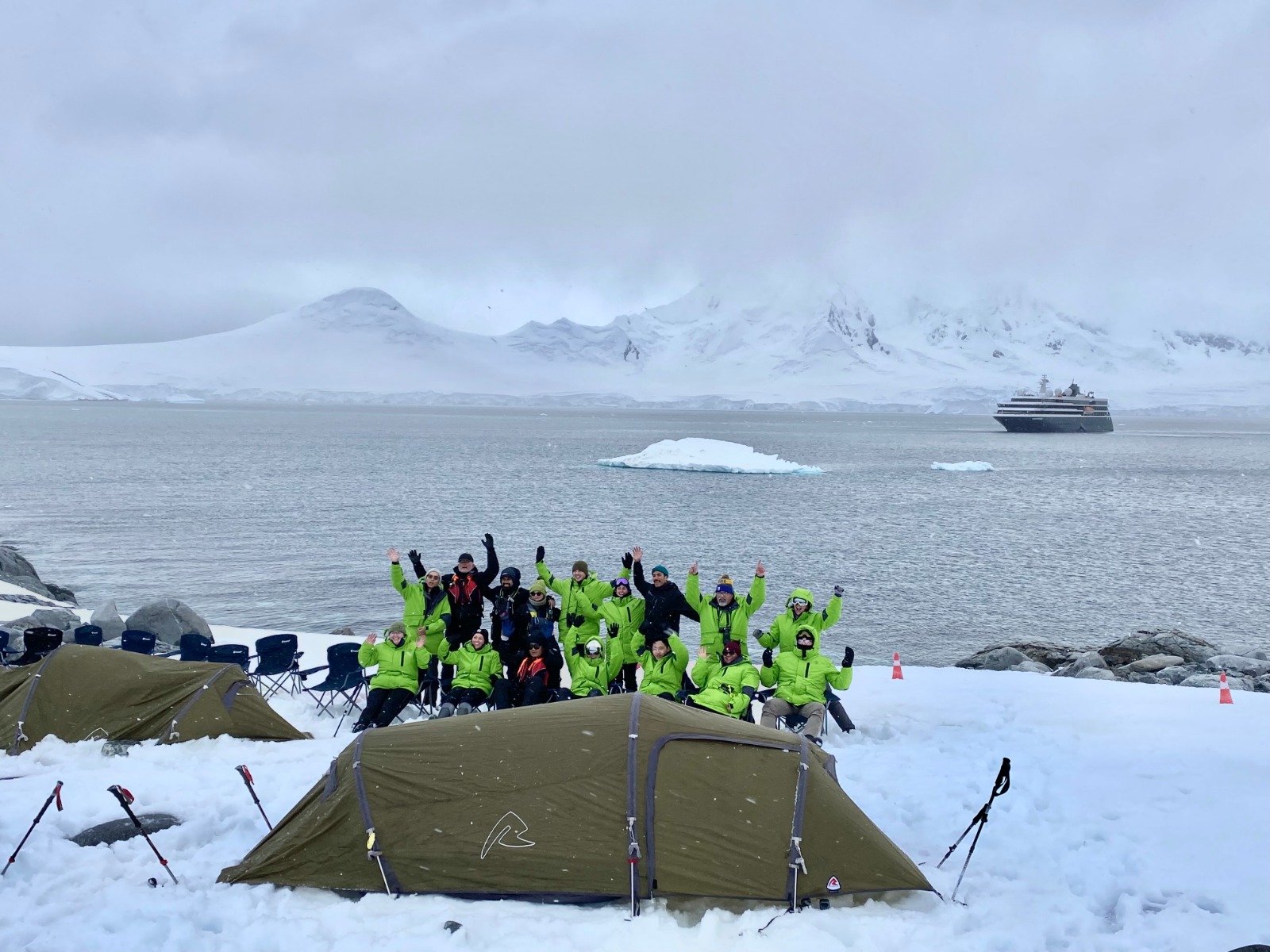
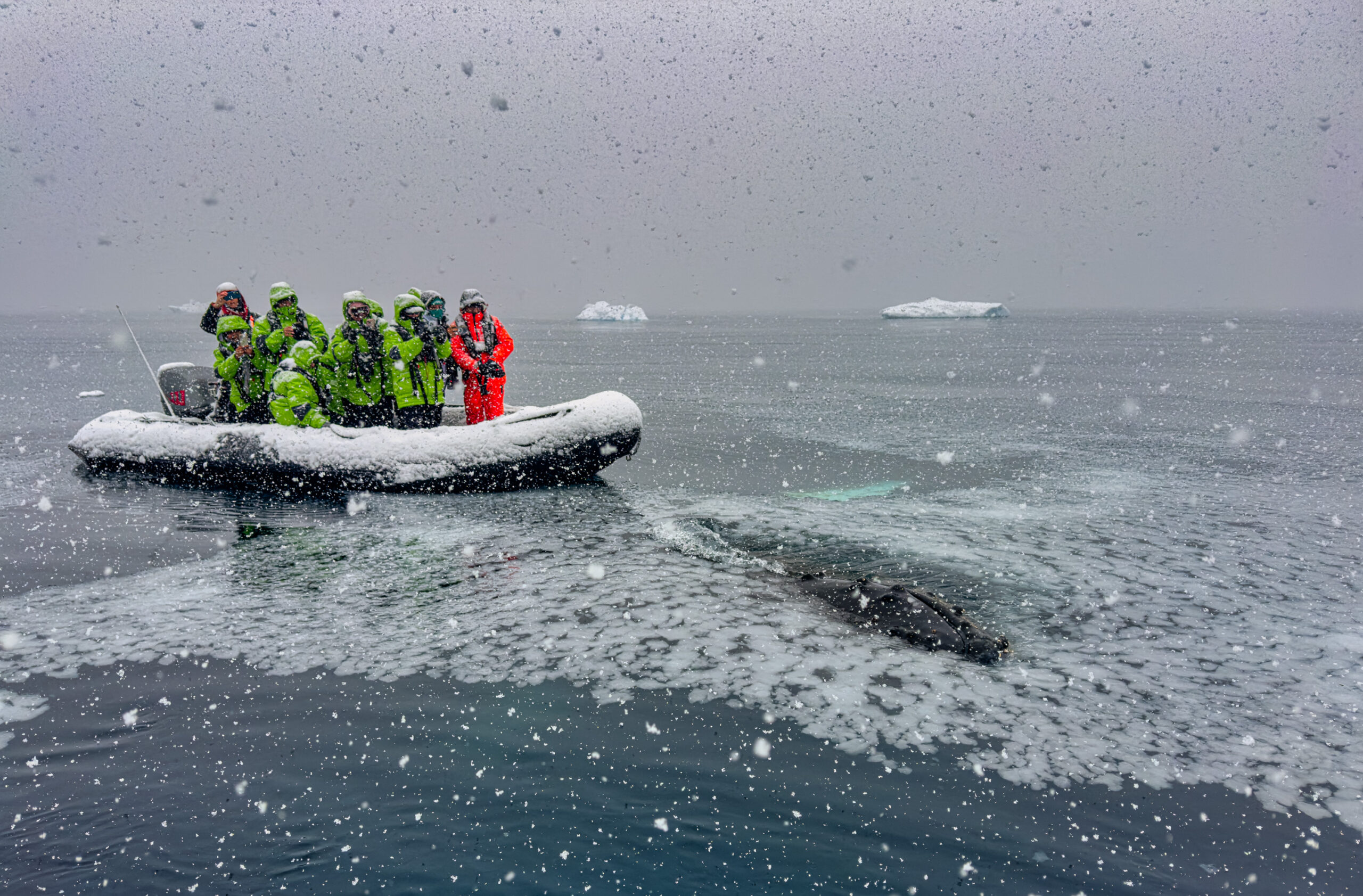
- Landings and activities that bring you closer to landscapes and wildlife (when conditions allow);
- Interpretive content that gives context to what you’re seeing (nature, geography, culture and history);
- A more intentional pace, with time to observe, understand and feel the place.
It’s a different kind of luxury: less “distraction”, more meaning.
Smaller ships: more access and more personalisation
Scale matters – a lot. Smaller ships can reach places that aren’t accessible to high-volume operations, whether because of infrastructure limits or because best practice requires strict impact management in sensitive areas.
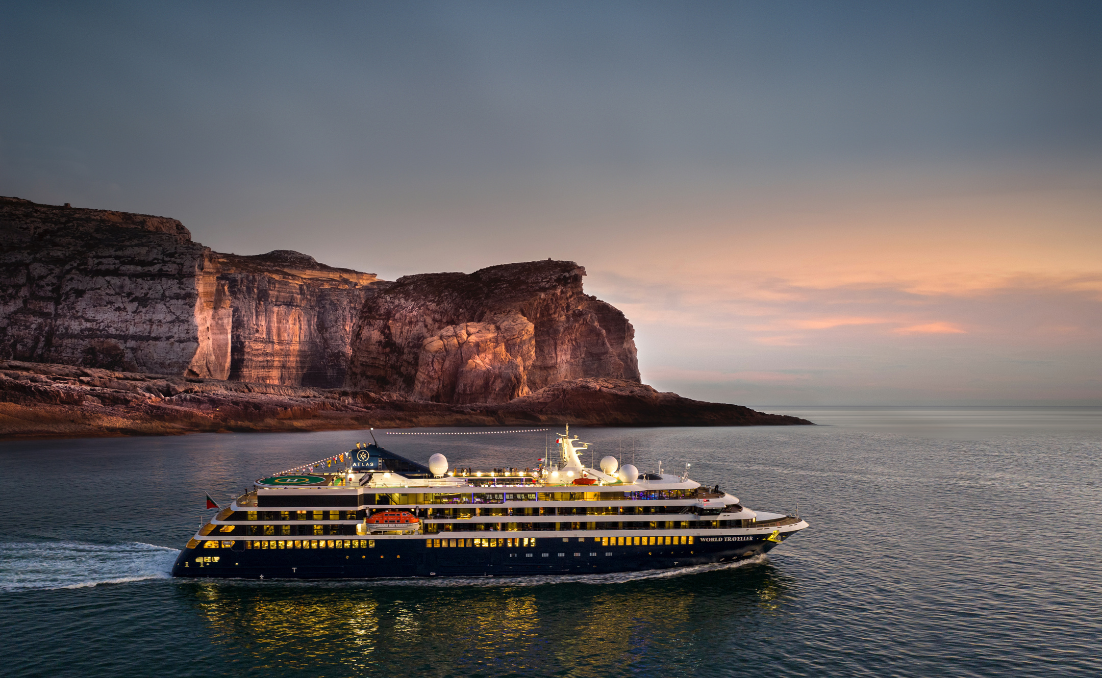
Within Mystic Cruises’ positioning, the expedition cruise experience is based on small ships with a maximum capacity of 200 guests. This supports a calm onboard atmosphere, closer service, and more agile logistics. The fleet includes four expedition ships, reinforcing product specialisation and consistency.
Within the same group, Atlas Ocean Voyages is another brand with a strong presence in this space and currently operates three ships from our fleet, helping bring this travel philosophy to different itineraries and traveller profiles.
Sustainability and safety: prerequisites, not add-ons
In expedition cruising, sustainability is part of the trip design: careful planning, respect for local rules, reduced operational impact, and guest education that supports a more conscious presence.
At the same time, operating in remote destinations requires a high standard of safety and operational discipline: clear processes, well-prepared teams, and prudent decision-making. That’s what makes rare experiences possible – with real peace of mind.
Conclusion
A traditional cruise helps you see the world. An expedition cruise invites you to live it – with proximity, respect, and an authentic sense of discovery. For travellers seeking remote destinations, small ships and immersive experiences, expedition cruising is a sophisticated, conscious way to navigate – with Mystic Cruises and Atlas Ocean Voyages reinforcing a clear group commitment to this segment.