
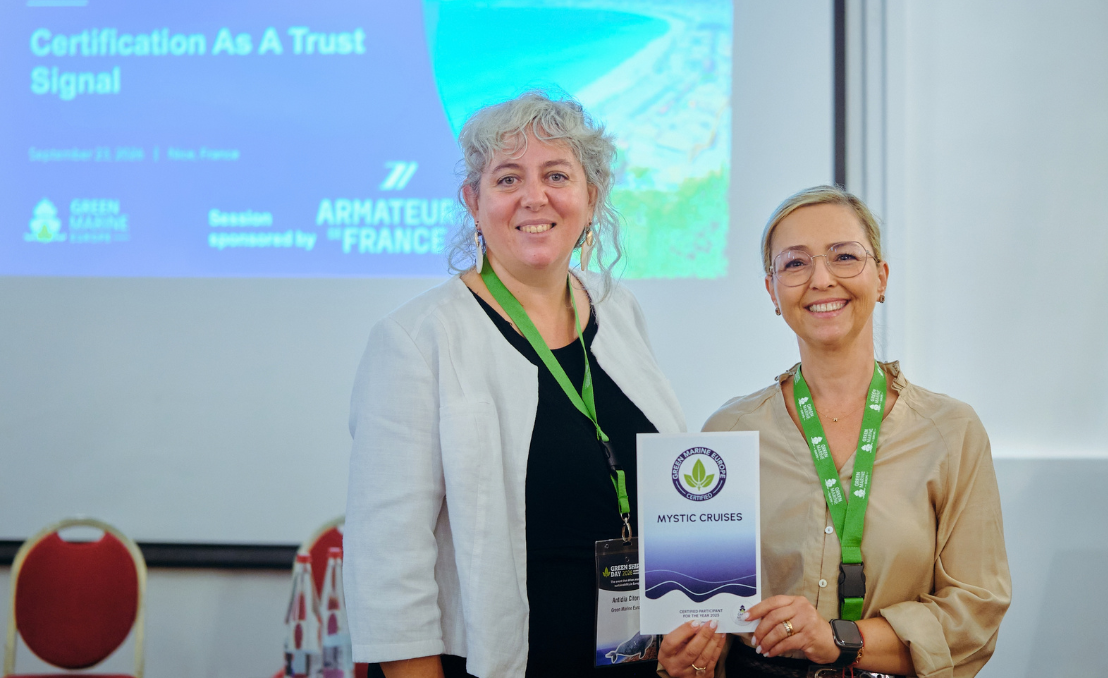
Mystic Cruises Renews Its Green Marine Europe Certification
Mystic Cruises has received its latest Green Marine Europe certificate, continuing its participation in the maritime environmental assessment and continual improvement programme.
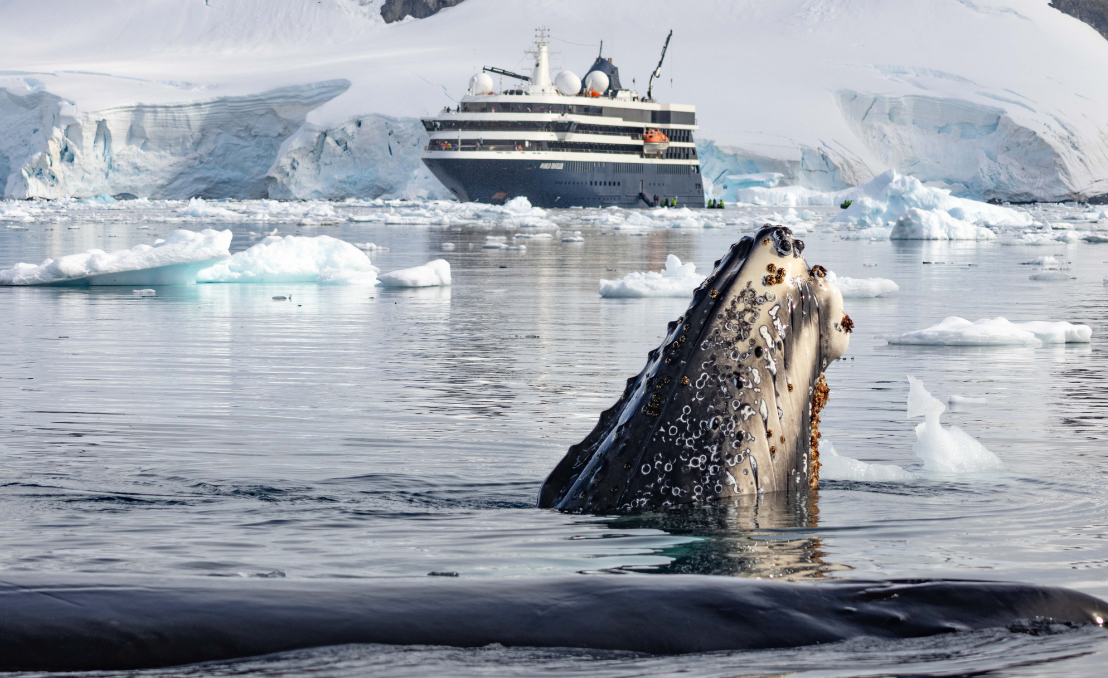
How we navigate the planet’s last wild regions without leaving a trace
There is a particular silence in the moment when one of our ships slows down in the presence of a humpback whale or a group of emperor penguins. That silence is not accidental: it is the result of years of protocols, training and international commitments that turn every expedition into an exercise in respect for wildlife.
At Mystic Cruises, we believe that travelling to the most remote regions of the planet is a privilege that demands responsibility. Antarctica and the Arctic are among the world’s last wildlife sanctuaries and, precisely because they are so fragile, they require us to operate according to the highest standards in the industry. Protecting the wildlife our guests have the privilege to observe is an integral part of who we are.
A commitment recognised by international organisations
The way we navigate is not simply the result of good intentions: it is built on a network of public commitments with some of the most credible organisations in the sector.
As members of IAATO (International Association of Antarctica Tour Operators), we strictly follow the guidelines that have regulated tourism in Antarctica since 1991, ensuring that every landing, every sighting and every route minimises the impact on penguin colonies, seals and seabirds.
In the Arctic, our activity is framed by AECO (Association of Arctic Expedition Cruise Operators), whose standards protect not only polar bears, walruses and bowhead whales, but also the local communities that share the territory with them.
We are also members of CLIA (Cruise Lines International Association), certified by Green Marine Europe, one of the most demanding environmental programmes in the maritime sector, and, through MysticInvest Holding, part of the United Nations Global Compact Network Portugal, aligning our operations with the United Nations Sustainable Development Goals.
Practical protocols that protect those who live there
At sea and on land, wildlife protection is reflected in very concrete practices, applied on every journey by our crew and expedition teams:
Technology in the service of silence
Protecting wildlife begins long before the moment of observation: it begins in the design of the ships themselves. Our expedition fleet incorporates hybrid propulsion systems, hulls optimised to reduce underwater acoustic signature, and energy-efficiency solutions that lower emissions and fuel consumption.
We know that underwater noise is one of the main invisible threats to cetaceans and pinnipeds. That is why reducing our sound footprint is just as important as reducing our carbon footprint. Every knot less in a sighting area, every manoeuvre carried out with engines in silent mode, represents a gesture of respect for those that live there.
Science on board: observe to protect
On our expedition cruises, guests travel side by side with marine biologists, ornithologists and glaciologists. This permanent scientific presence makes it possible to turn every journey into a real contribution to the understanding of polar ecosystems: data collected in collaboration with partner institutions supports international monitoring programmes for whales, seabirds and sea ice.
The privilege of sailing, the duty to preserve
Every whale that surfaces beside our ship, every penguin crossing an icy beach, every bear walking across Arctic ice is a reminder that these places do not belong to us, we only visit them. At Mystic Cruises, we do so with the conviction that the true luxury of these destinations lies in leaving them untouched for the generations that follow.
Because protecting polar wildlife is not an optional part of our operation. It is the reason our operation exists.
Mystic Cruises has received its latest Green Marine Europe certificate, continuing its participation in the maritime environmental assessment and continual improvement programme.
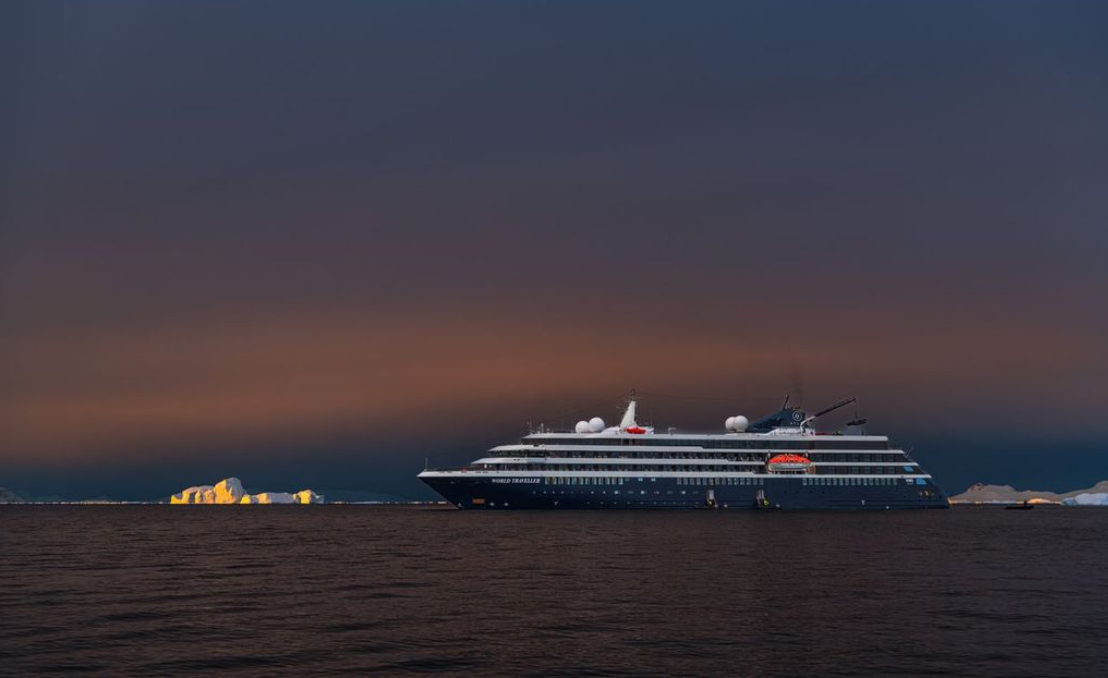
Under the theme “From Policy to Practice: Powering Maritime Excellence”, World Maritime Day 2026 highlights how regulation, training and everyday decisions shape safer and more responsible maritime operations.
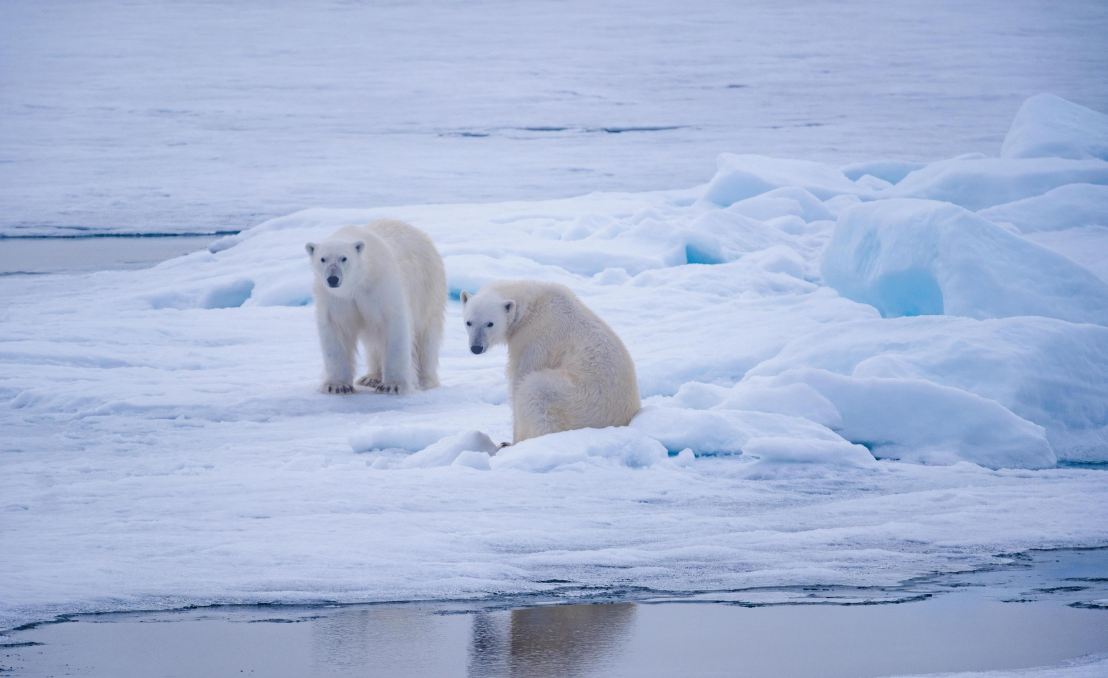
From polar bears and walruses to seabirds, Arctic foxes and whales, learn how wildlife responds to our presence — often before we realise it.